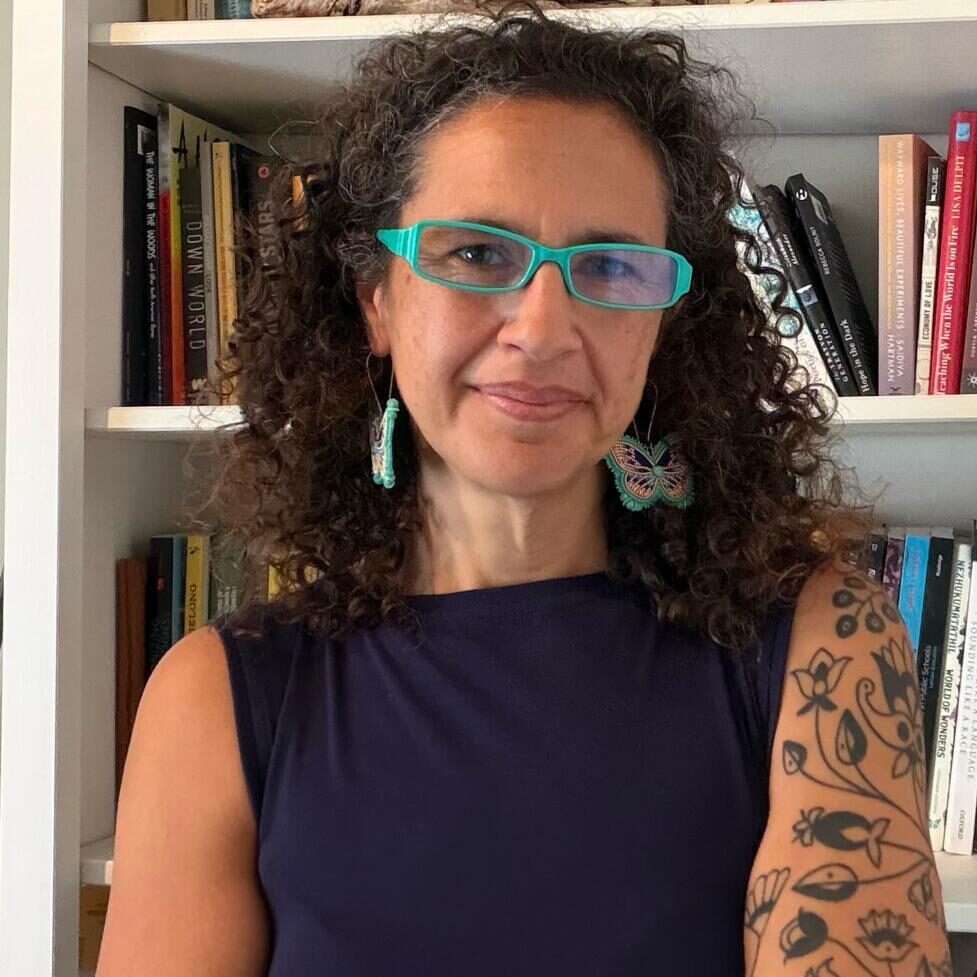


Cate Desjardins, Ph.D.
Ethical Decision Making as a Psychodynamic Process
Ethical dilemmas in clinical practice rarely have one “right” way through them. There are often several possible courses of action available that could be conceived of as ethical. Further, psycho- dynamically-oriented clinicians need also consider unconscious meanings and motivations that may be involved. In this mini-course, we approach ethical decision making as a psychodynamic process that can be effectively navigated through deepening specific capacities that are central to our clinical approach. These include reflexivity, consultation, empathy (Kohut, 1981), and “radical openness” (Hart, 2014). Through discussion of ethical dilemmas that arose in real life cases, we will collaboratively exercise those capacities, allowing us to gain insight into how our personal ethical commitments influence our clinical decision making, as well as to consider other perspectives on the same material. This is a discussion-focused course; some advance reading will be required to facilitate full participation.
Upcoming Events
Hope in Motion
Arshay Cooper
Bestselling author, speaker, rower
Evanston Township High School Auditorium
Note: Event start time is Central Time (CT).
NO REGISTRATION REQUIRED.
The Story of Your Life: How Social Media Shapes the Way We Experience Everything
Kathryn Jezer-Morton, Ph.D.
Author of the biweekly “Brooding” column at The Cut, a section of New York magazine
Jia Tolentino
Staff writer at The New Yorker
ON ZOOM

American Hagwon: An Evening with Min Jin Lee
Min Jin Lee
Bestselling author of "Free Food for Millionaires" and "Pachinko"
Megan Bang, Ph.D.
James E. Johnson Professor of the Learning Sciences at Northwestern University's School of Education and Social Policy
Evanston Township High School Auditorium
Note: Event start time is Central Time (CT).
NO REGISTRATION REQUIRED.