

Date and Time:
Location:
Address:
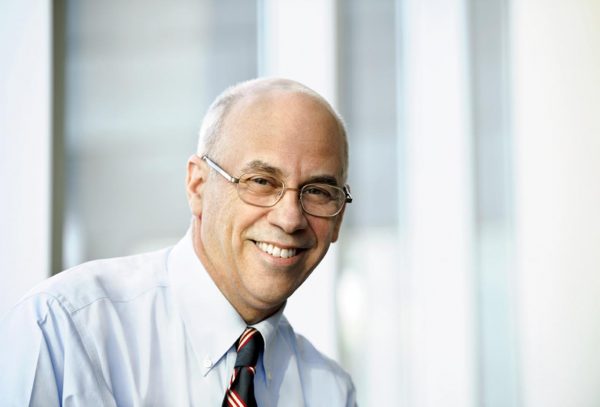
Dan Chambliss, Ph.D.
Eugene M. Tobin Distinguished Professor of Sociology, Hamilton College
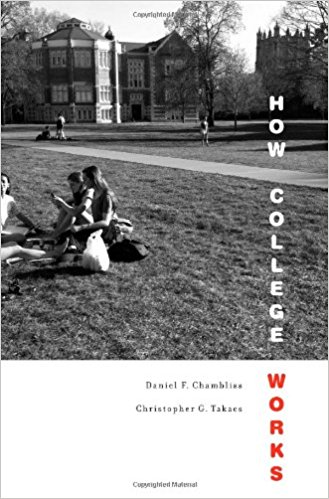
How College Works: The Primacy of Personal Connection
With the cost of college nationwide reaching unsustainable heights for many families, students and parents alike are asking what benefits colleges really provide to their students. For their book How College Works, Dan Chambliss, Ph.D. and his former student Chris Takacs, Ph.D. closely followed 100 students from Hamilton College in New York State throughout their undergraduate careers and for years afterwards. They discovered that personal relationships – networks of friends, mentors, even passing acquaintances –played a decisive role, often more than majors or formal programs, in the academic and personal gains that students make. Relationships matter, and some higher education institutions foster them better than others. Prof. Chambliss’ talk will explain how colleges create strong friendship and mentoring bonds, and how students can – with modest effort – dramatically increase what they gain from their undergraduate experience.
Upcoming Events
Situated: Find the People and Places That Bring Out Your Best
Angela Duckworth, Ph.D.
Rosa Lee and Egbert Chang Professor at the University of Pennsylvania
Nicholas Epley, Ph.D.
John Templeton Keller Distinguished Service Professor of Behavior Science at the University of Chicago Booth School of Business
ON ZOOM

Artificial Intimacy: Who We Become When We Talk to Machines
Sherry Turkle, Ph.D.
Abby Rockefeller Mauzé Professor of the Social Studies of Science and Technology, MIT
Alison Flowers
Pulitzer Prize-winning journalist in Chicago and the founder of Spiralbound
Latin School of Chicago, Wrigley Theatre
Note: Event start time is Central Time (CT).
NO REGISTRATION REQUIRED.